Unveiling the Exotic Charm of Maracuya O Fruta De La Pasion
The tropical world is replete with fruits that tantalize the senses, but few possess the captivating allure and dual identity of
Maracuya O Fruta De La Pasion. Known interchangeably as maracuyá or passion fruit, this vibrant edible treasure is far more than just a sweet treat; it’s a nutritional powerhouse and a culinary chameleon that has charmed palates across the globe. From its intriguing origins to its widespread use in everything from gourmet dishes to refreshing beverages, the *fruta de la pasión* truly embodies its name, igniting a passion in all who discover its unique flavor profile. This article delves into the fascinating world of this extraordinary fruit, exploring its history, health benefits, and myriad ways to enjoy it.
From Ancient Roots to Global Tables: The Journey of Maracuya
The story of the
Maracuya O Fruta De La Pasion begins in the verdant landscapes of Central America, its true birthplace. This remarkable fruit is the progeny of a vigorous climbing plant, *Passiflora edulis*, belonging to the Passifloraceae family. Its poetic name, "fruta de la pasión," or "passion fruit," is derived not from its aphrodisiac qualities, but from the intricate and beautiful flower of the plant. Early Spanish missionaries in the Americas likened the flower's distinct parts to symbols of the Passion of Christ, such as the crown of thorns, hence the evocative moniker.
While its roots are firmly planted in the Americas, the cultivation of passion fruit has spread globally, thriving in diverse tropical and subtropical climates. Major growing regions now include Brazil, Kenya, Costa de Marfil, South Africa, and Australia. However, it is Central and South America that remain at the heart of its production. Ecuador, in particular, stands out as a colossal player in the international market, renowned as the largest exporter of maracuya concentrate worldwide, followed closely by Vietnam, Peru, and Brazil. This dominance is largely due to Ecuador's ideal tropical and subtropical climatic conditions, which foster optimal growth for the *Passiflora* plant. Beyond its common names, this beloved fruit is also known regionally as *parcha*, *parchita*, or *chinola*, reflecting its widespread presence and cultural significance across various Latin American countries.
A Nutritional Powerhouse: The Health Benefits of Maracuya O Fruta De La Pasion
Beyond its exquisite taste,
Maracuya O Fruta De La Pasion boasts an impressive nutritional profile, making it a valuable addition to any balanced diet. This fruit is remarkably rich in carbohydrates, providing a natural and easily digestible source of energy. But its benefits extend far beyond simple sustenance:
*
Fiber-Rich Goodness: Maracuyá is exceptionally high in dietary fiber, both soluble and insoluble. This helps regulate intestinal rhythm, effectively combating constipation and promoting overall digestive health. The insoluble fiber in particular plays a crucial role in preventing cholesterol absorption, contributing to cardiovascular wellness.
*
Antioxidant Shield: Packed with vitamins C, E, and A, the *fruta de la pasión* offers potent antioxidant properties. These compounds are vital for neutralizing free radicals in the body, which can cause cellular damage and contribute to premature aging of the skin. This makes it particularly beneficial for individuals exposed to environmental stressors or those, like smokers, who may require extra antioxidant support.
*
Vision and Cardiovascular Health: The high content of Vitamin A in maracuyá is essential for maintaining healthy vision, protecting the eyes from age-related degeneration. Furthermore, its overall nutritional composition, including essential minerals, contributes to regulating the cardiovascular system, supporting heart health and circulation.
*
Potential Anti-cancer Properties: Emerging research suggests that the antioxidants and phytochemicals found in maracuyá may possess anti-cancer properties. Specifically, its protective effects against stomach cancer have been noted, helping to shield cells from damage that can lead to malignancy.
*
Nerve and Bone Support: With a significant presence of B vitamins, especially niacin (B3), maracuyá is conducive to the healthy functioning of the nervous system. Additionally, it is a good source of vital minerals such as potassium, phosphorus, calcium, iron, and magnesium, all critical for bone health, nerve function, and numerous bodily processes. For a more detailed look at the specific micronutrients and their roles, you might find our companion article,
Maracuya O Fruta De La Pasion - Article 2, highly informative.
Culinary Delights: Savoring Maracuya O Fruta De La Pasion in Every Bite
The intense, aromatic, and distinctly tangy-sweet flavor of
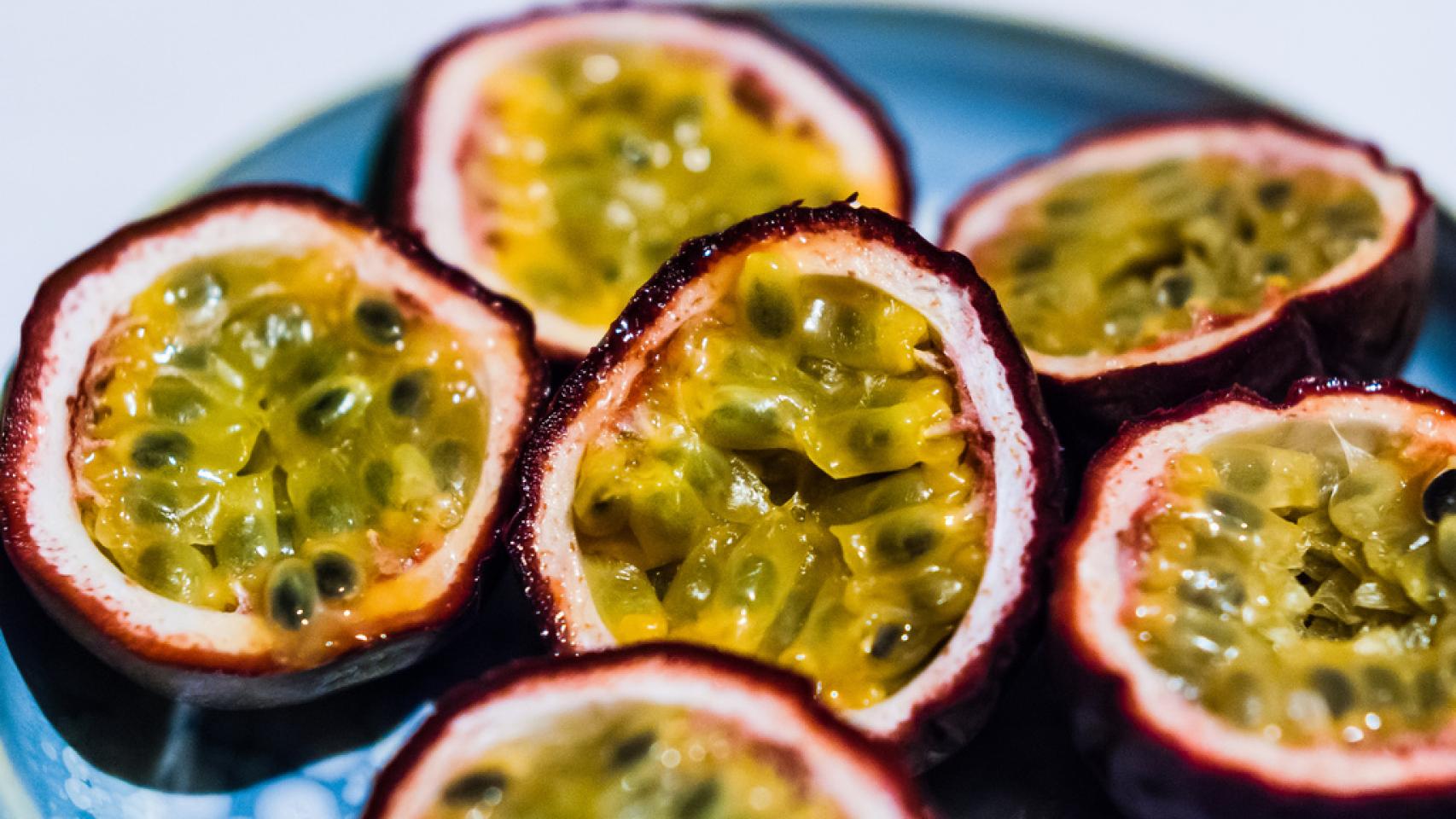
Maracuya O Fruta De La Pasion makes it an incredibly versatile ingredient in the culinary world. Its vibrant pulp, often speckled with small edible seeds, can transform simple dishes into extraordinary gastronomic experiences. The fruit itself typically consists of 50-60% peel, 30-40% juice, and 10-15% seeds, with the juice being the most prized component.
*
Fresh Indulgence: The simplest way to enjoy maracuyá is fresh. Just cut the fruit in half and scoop out the gelatinous, fragrant pulp with a spoon. It's a burst of tropical flavor that's both refreshing and invigorating. It also makes a fantastic addition to fruit salads, lending an exotic zest that brightens up the entire mix.
*
Beverages Galore: The juice of the passion fruit is arguably its most famous application. It forms the base for wonderfully sweet and refreshing drinks, nectars, and smoothies. Due to its natural sugar content, often no additional sugar is needed, making it a healthier choice. It pairs beautifully with water, milk, or yogurt, creating creamy and delightful concoctions. Its acidic notes also make it a fundamental ingredient in many cocktails, where it balances sweeter spirits and mixers perfectly.
*
Delectable Desserts: Maracuyá’s unique flavor profile shines in desserts. It’s ideal for making jams and jellies, thanks to its high pectin content, which allows it to set beautifully, especially if some of the seeds are included. It's also a star in ice creams, puddings, mousses, and conserves, offering a tangy counterpoint to rich sweetness.
*
Savory Surprises: While often associated with sweet applications, the intense flavor of maracuyá also finds its way into savory dishes. In some Asian cuisines, its concentrated flavor is used as a distinctive seasoning for sauces, adding an exotic twist to meat or seafood. Its acidity can also be harnessed in marinades or salad dressings, providing a bright, tropical kick.
*
An Important Note on Ripeness: It’s crucial to consume *Maracuya O Fruta De La Pasion* only when it has fully matured. The ripening process naturally eliminates cyanogenetic heterosides present in green fruits, which can be toxic. Always wait for the fruit to show signs of ripeness before consumption. For more creative recipe ideas and advanced culinary techniques using this incredible fruit, be sure to check out
Maracuya O Fruta De La Pasion - Article 3.
Selecting and Storing Your Perfect Maracuya
To truly appreciate the richness of
Maracuya O Fruta De La Pasion, knowing how to select and store it is key. There are primarily two types you'll encounter in the market:
*
Yellow Maracuya: These fruits are generally larger in size and tend to have a more pronounced acidic flavor.
*
Purple Maracuya: Typically smaller, these varieties are often sweeter and less tart than their yellow counterparts.
Regardless of the type, the secret to optimal flavor lies in proper ripening. For best results, always keep unripe passion fruit at room temperature; *never* store them in the refrigerator, as this can halt the ripening process and impair flavor development. The tell-tale sign of a perfectly ripe maracuyá is when its external skin begins to wrinkle. This wrinkling indicates that the fruit's sugars have concentrated and its flavor has reached its peak, ready for consumption. Once ripe, you can store the fruit in the refrigerator for a few days to extend its freshness, or scoop out and freeze the pulp for longer-term storage.
Conclusion: Embrace the Passion
The
Maracuya O Fruta De La Pasion is much more than just a tropical fruit; it's a sensory experience, a nutritional champion, and a versatile culinary ingredient. From its intriguing origin story tied to a symbolic flower to its profound health benefits that support everything from digestion to cell protection, maracuyá offers an unparalleled blend of taste and wellness. Whether you're scooping its vibrant pulp directly, blending it into a refreshing juice, or experimenting with it in a savory sauce, this remarkable fruit promises an exotic escape. So, the next time you encounter this wrinkly, fragrant gem, don't hesitate to embrace the passion and add a taste of the tropics to your life.